
Converting ounces to grams in baking is a crucial step to ensure the success of your recipes, as using the wrong measurements can lead to disappointing results. When it comes to baking, accuracy is key, and understanding how to convert between different units of measurement is essential. In the world of baking, ounce-to-gram conversions can be a bit tricky, but with the right techniques and tools, you can master this skill and take your baking to the next level. Whether you’re a professional baker or a beginner, learning how to convert ounces to grams will help you to produce consistent and delicious results. With the rise of online recipe sharing, it’s become increasingly important to understand how to convert between different units of measurement, as recipes from around the world may use different units. By learning how to convert ounces to grams, you’ll be able to tackle any recipe with confidence and precision.
Definition
Converting ounces to grams is a simple process that involves multiplying the weight in ounces by a conversion factor, which is typically 28.35 grams per ounce. This conversion factor can be used to convert any weight in ounces to grams, making it a valuable tool for bakers who need to work with recipes that use different units of measurement. For example, if a recipe calls for 10 ounces of flour, you can convert this to grams by multiplying 10 by 28.35, which gives you a weight of 283.5 grams. By using this conversion factor, you can easily convert any weight in ounces to grams and ensure that your baked goods turn out light, fluffy, and full of flavor.
Conversion Methods
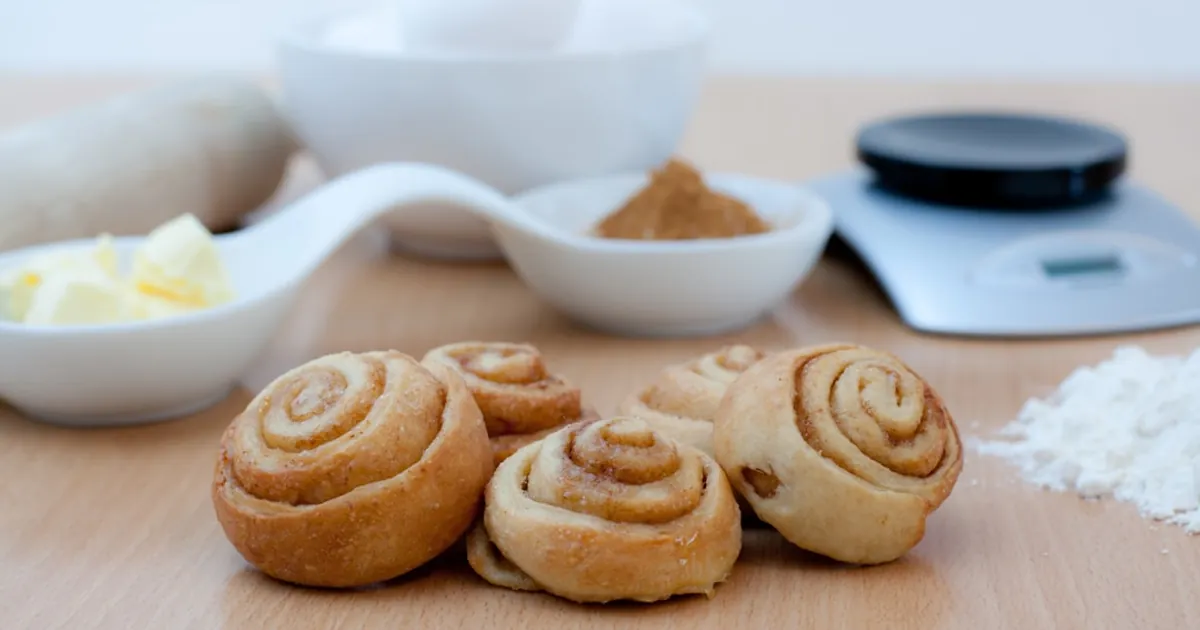
There are several methods for converting ounces to grams, including using a digital kitchen scale, a conversion chart, or an online conversion calculator. One of the most convenient methods is to use a digital kitchen scale, which can be set to display weights in either ounces or grams. This makes it easy to convert between the two units of measurement and ensures that you’re using the correct weights in your recipes. Another method is to use a conversion chart, which can be printed out and kept in your kitchen for easy reference. Online conversion calculators are also available, which can be used to convert weights in ounces to grams quickly and easily.
Related Posts
Using a Digital Scale
Using a digital kitchen scale is one of the most accurate methods for converting ounces to grams. These scales are designed specifically for baking and cooking and can be set to display weights in either ounces or grams. To use a digital scale, simply place the ingredient on the scale and select the unit of measurement you want to use. The scale will then display the weight in the selected unit, making it easy to convert between ounces and grams. Digital scales are also very convenient, as they can be used to weigh a variety of ingredients, from flour and sugar to butter and eggs.
Using a Conversion Chart
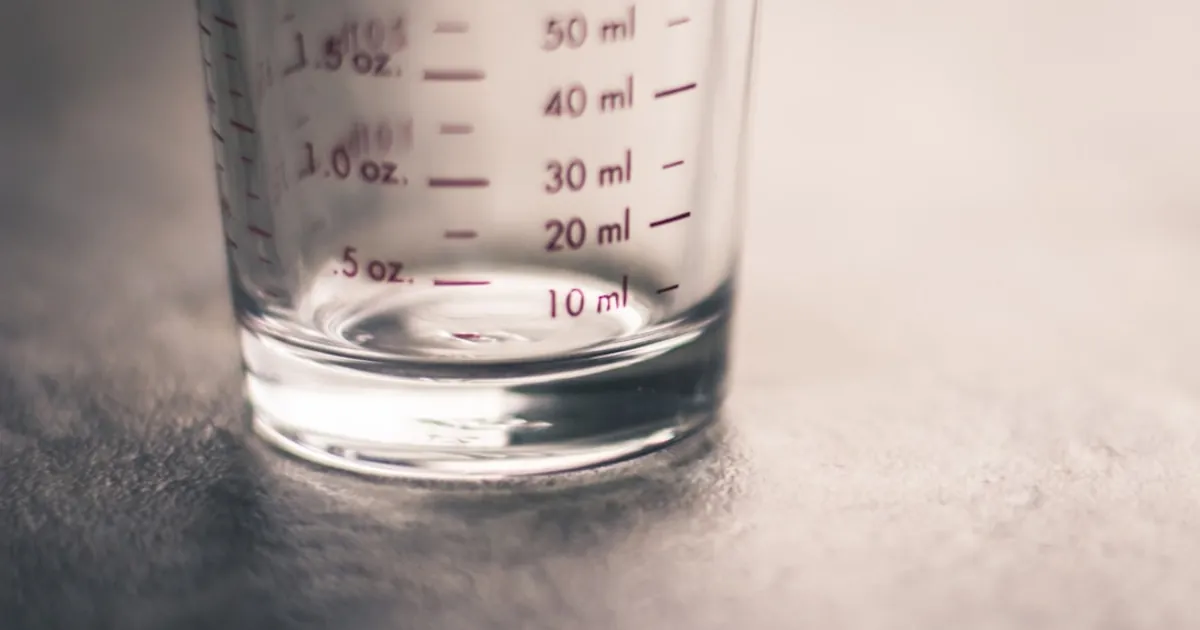
A conversion chart is a handy tool that can be used to convert ounces to grams quickly and easily. These charts typically list the weights in ounces and the corresponding weights in grams, making it easy to look up the conversion factor for a specific weight. Conversion charts can be printed out and kept in your kitchen for easy reference, or you can find them online and use them as needed. One of the benefits of using a conversion chart is that it helps to eliminate errors, as you can simply look up the conversion factor for a specific weight rather than having to calculate it yourself.
Understanding Unit Conversions
Understanding unit conversions is essential for bakers, as it allows them to work with recipes from around the world and to produce consistent results. Unit conversions involve converting between different units of measurement, such as ounces and grams, or cups and milliliters. By understanding how to convert between different units of measurement, bakers can ensure that their recipes turn out correctly and that they’re using the right ingredients in the right quantities. This is especially important when working with ingredients like flour, sugar, and butter, which can be measured in different ways depending on the recipe.
Baking with Precision
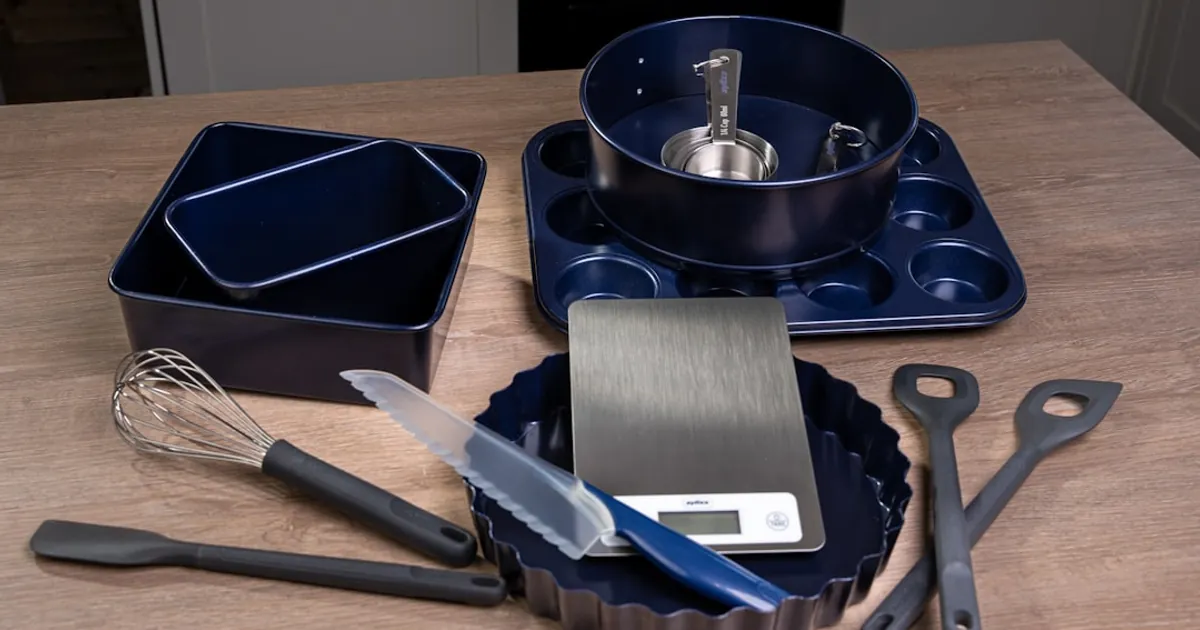
Baking with precision involves using accurate measurements and techniques to produce consistent results. One of the key elements of precision baking is understanding how to convert between different units of measurement, such as ounces and grams. By using accurate measurements, bakers can ensure that their recipes turn out correctly and that they’re using the right ingredients in the right quantities. Precision baking also involves using the right techniques, such as sifting and whisking, to ensure that ingredients are well combined and that baked goods turn out light and fluffy. According to Wikipedia, precision baking is an essential skill for professional bakers, as it allows them to produce high-quality baked goods that are consistent in texture and flavor.
Common Conversions
There are several common conversions that bakers need to know, including how to convert ounces to grams and how to convert cups to milliliters. One of the most common conversions is the conversion of ounces to grams, which is typically done using a conversion factor of 28.35 grams per ounce. Another common conversion is the conversion of cups to milliliters, which is typically done using a conversion factor of 236.6 milliliters per cup. By understanding these common conversions, bakers can ensure that their recipes turn out correctly and that they’re using the right ingredients in the right quantities. For more information on common conversions, visit Forbes, which has a range of articles on baking and cooking.
Key Takeaways
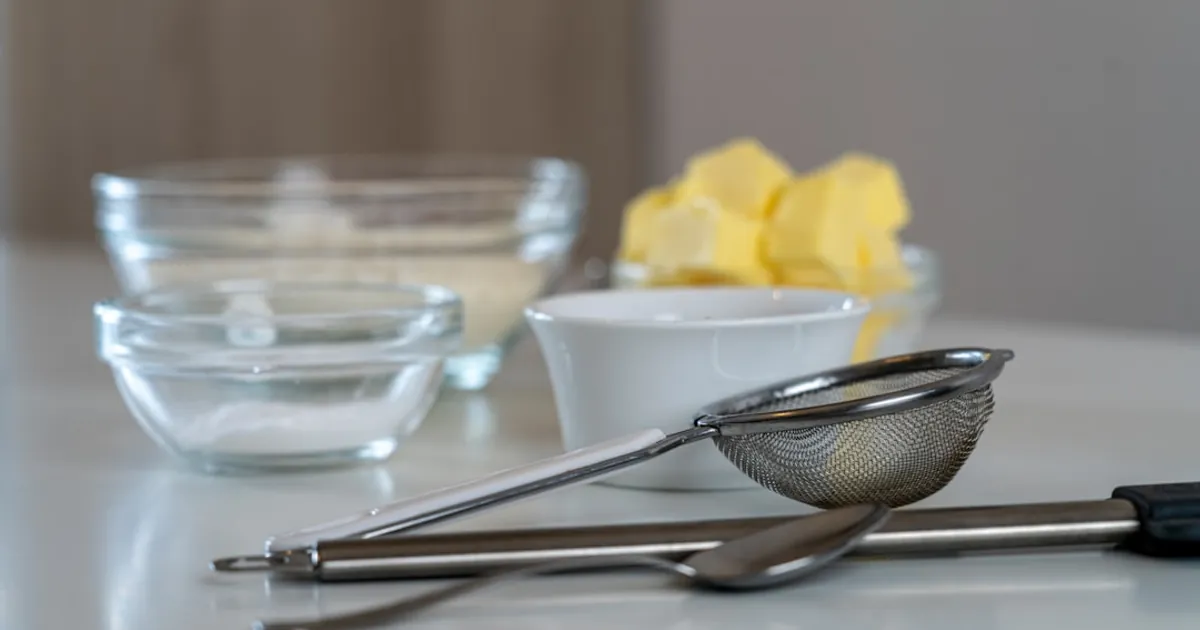
Here are the key takeaways for converting ounces to grams in baking:
- Use a conversion factor of 28.35 grams per ounce to convert ounces to grams
- Use a digital kitchen scale to ensure accurate measurements
- Use a conversion chart to look up conversion factors for specific weights
- Understand common conversions, such as the conversion of cups to milliliters
- Practice precision baking techniques, such as sifting and whisking, to ensure consistent results
Expert Insights
Converting ounces to grams is an essential skill for bakers, as it allows them to work with recipes from around the world and to produce consistent results. By understanding how to convert between different units of measurement, bakers can ensure that their recipes turn out correctly and that they’re using the right ingredients in the right quantities. According to King Arthur Flour, a leading authority on baking, using accurate measurements is one of the most important elements of successful baking.
Frequently Asked Questions
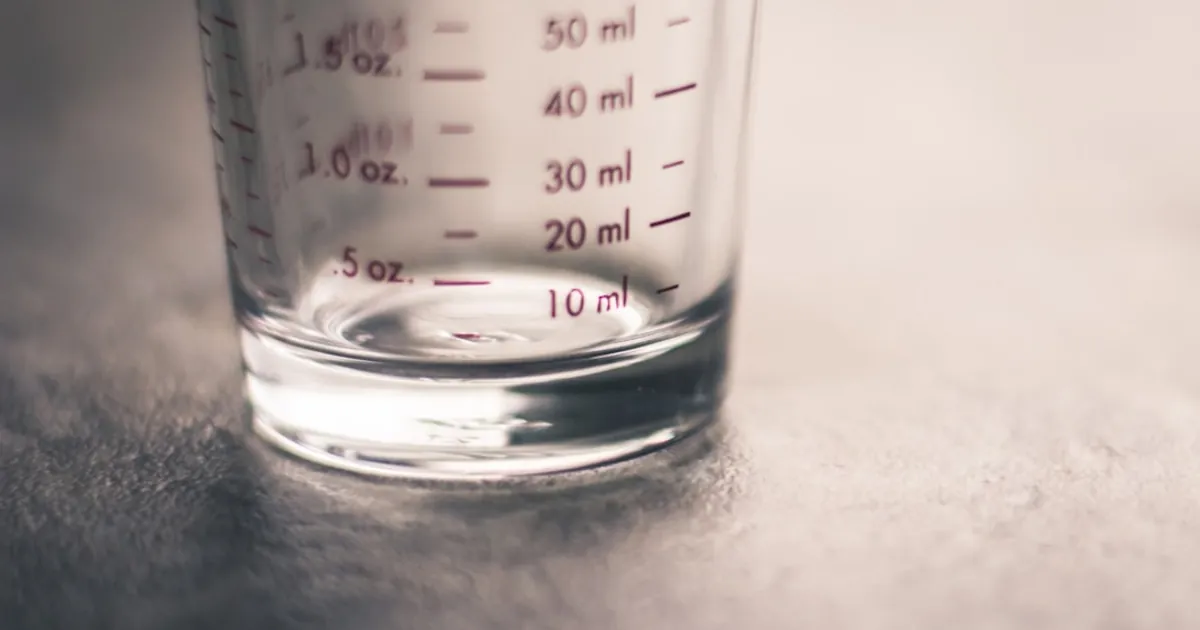
What is the conversion factor for ounces to grams?
The conversion factor for ounces to grams is 28.35 grams per ounce. This means that if a recipe calls for 10 ounces of flour, you can convert this to grams by multiplying 10 by 28.35, which gives you a weight of 283.5 grams.
How do I use a digital kitchen scale to convert ounces to grams?
To use a digital kitchen scale to convert ounces to grams, simply place the ingredient on the scale and select the unit of measurement you want to use. The scale will then display the weight in the selected unit, making it easy to convert between ounces and grams.
What is the difference between a conversion chart and a digital kitchen scale?
A conversion chart is a handy tool that can be used to convert ounces to grams quickly and easily, while a digital kitchen scale is a more precise tool that can be used to weigh ingredients accurately. Both tools are useful for bakers, but a digital kitchen scale is generally more convenient and accurate.
How do I practice precision baking techniques?
To practice precision baking techniques, start by using accurate measurements and ingredients. This means using a digital kitchen scale to weigh ingredients and measuring cups to measure liquids. You should also practice techniques such as sifting and whisking to ensure that ingredients are well combined and that baked goods turn out light and fluffy.
What are some common conversions that bakers need to know?
Some common conversions that bakers need to know include how to convert ounces to grams and how to convert cups to milliliters. By understanding these common conversions, bakers can ensure that their recipes turn out correctly and that they’re using the right ingredients in the right quantities.
In conclusion, converting ounces to grams is an essential skill for bakers, as it allows them to work with recipes from around the world and to produce consistent results. By understanding how to convert between different units of measurement and by practicing precision baking techniques, bakers can ensure that their recipes turn out correctly and that they’re using the right ingredients in the right quantities. For more information on baking and cooking, visit King Arthur Flour, which has a range of articles and recipes on the subject. So why not start practicing your ounce-to-gram conversions today and take your baking to the next level?