
The <strong:fahrenheit to celsius quick mental conversion trick is a valuable skill to possess, especially for individuals who frequently travel or work with international teams. Understanding temperature conversions can be a challenging task, but with the right techniques, it can become second nature. The ability to quickly convert temperatures from Fahrenheit to Celsius can be a huge advantage in various situations, from cooking and science to everyday conversations. In this article, we will delve into the world of temperature conversions and explore the most effective methods for mastering the Fahrenheit to Celsius conversion. Whether you are a student, a professional, or simply someone who wants to improve your mental math skills, this article is designed to provide you with the tools and techniques you need to become an expert in temperature conversions. With the help of this guide, you will be able to impress your friends and colleagues with your ability to quickly and accurately convert temperatures from Fahrenheit to Celsius.
Definition
A Fahrenheit to Celsius conversion is a mathematical process that involves changing the temperature from the Fahrenheit scale to the Celsius scale. This process can be achieved through a simple formula: (°F
Understanding Scales

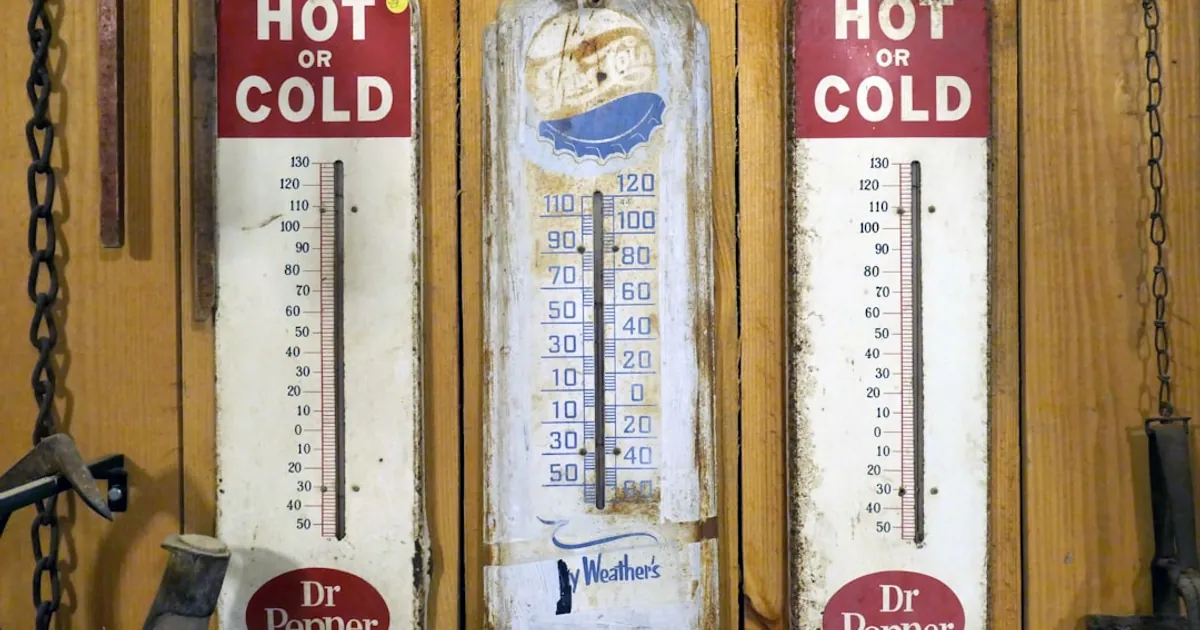
Before diving into the world of temperature conversions, it’s essential to understand the basics of the Fahrenheit and Celsius scales. The Fahrenheit scale was developed by Gabriel Fahrenheit in the early 18th century and is based on the freezing and boiling points of water. In this scale, water freezes at 32°F and boils at 212°F. On the other hand, the Celsius scale was developed by Anders Celsius in the mid-18th century and is based on the same principles, but with a different reference point. In the Celsius scale, water freezes at 0°C and boils at 100°C. Understanding the relationship between these two scales is crucial for developing a quick mental conversion trick. For more information on the history of temperature scales, you can visit the Wikipedia page on the subject.
Related Posts
Key Differences
One of the key differences between the Fahrenheit and Celsius scales is the size of the units. The Celsius scale has larger units than the Fahrenheit scale, which means that a change of 1°C is equivalent to a change of 1.8°F. This difference in unit size can make conversions between the two scales challenging, but it’s an essential aspect of developing a quick mental conversion trick. By understanding the relationship between the two scales, you can develop a more accurate and efficient conversion method.
Real-World Applications
The ability to quickly convert temperatures from Fahrenheit to Celsius has numerous real-world applications. For example, in the field of science, temperature conversions are crucial for understanding and analyzing data. In cooking, temperature conversions can be the difference between a perfectly cooked meal and a disaster. In everyday conversations, being able to quickly convert temperatures can be a valuable skill, especially when communicating with people from other countries. Whether you are a student, a professional, or simply someone who wants to improve your mental math skills, developing a quick mental conversion trick can have a significant impact on your daily life.
Mental Math Techniques
There are several mental math techniques that can be used to develop a quick Fahrenheit to Celsius conversion trick. One of the most popular methods is the “doubling and halving” technique, which involves doubling the Fahrenheit temperature and then halving it to get an estimate of the Celsius temperature. Another technique is the “nearby multiples” method, which involves finding the nearest multiple of 10 or 20 to the Fahrenheit temperature and then adjusting from there. For example, to convert 75°F to Celsius, you can start with the nearest multiple of 10, which is 70°F, and then add 5°F to get 75°F. This technique can be applied to a wide range of temperatures, making it a valuable tool for anyone who needs to make quick conversions.
Practice and Reinforcement
Like any skill, developing a quick mental conversion trick requires practice and reinforcement. One of the best ways to practice temperature conversions is to use online tools and resources, such as conversion calculators or practice quizzes. You can also try to convert temperatures in your head throughout the day, using real-world scenarios to test your skills. For example, if you see a weather forecast that says the temperature will be 85°F, try to convert it to Celsius in your head. By practicing regularly, you can develop a quick and accurate mental conversion trick that will serve you well in a variety of situations. According to an article in Forbes, practicing mental math can have numerous benefits, including improved cognitive function and increased confidence.
Common Challenges
One of the most common challenges people face when trying to develop a quick mental conversion trick is the tendency to overthink the process. When converting temperatures, it’s essential to keep the calculation simple and straightforward. Another challenge is the lack of practice and reinforcement, which can lead to a decline in mental math skills. To overcome these challenges, it’s essential to practice regularly and to use real-world scenarios to test your skills. By doing so, you can develop a quick and accurate mental conversion trick that will serve you well in a variety of situations.
Key Takeaways
- Developing a quick mental conversion trick requires practice and reinforcement
- Understanding the relationship between the Fahrenheit and Celsius scales is crucial for accurate conversions
- Using mental math techniques, such as the “doubling and halving” method or the “nearby multiples” method, can simplify the conversion process
- Real-world applications, such as science, cooking, and everyday conversations, make temperature conversions a valuable skill
- Online tools and resources, such as conversion calculators or practice quizzes, can be used to practice and reinforce temperature conversions
Expert Insights
Temperature conversions are an essential skill for anyone who wants to improve their mental math skills, according to Britannica. By developing a quick mental conversion trick, individuals can improve their cognitive function, increase their confidence, and enhance their problem-solving skills. Whether you are a student, a professional, or simply someone who wants to improve their mental math skills, temperature conversions are a valuable tool that can have a significant impact on your daily life.
Frequently Asked Questions
What is the formula for converting Fahrenheit to Celsius?
The formula for converting Fahrenheit to Celsius is (°F
How can I practice temperature conversions?
There are several ways to practice temperature conversions, including using online tools and resources, such as conversion calculators or practice quizzes. You can also try to convert temperatures in your head throughout the day, using real-world scenarios to test your skills.
What are the benefits of developing a quick mental conversion trick?

Developing a quick mental conversion trick can have numerous benefits, including improved cognitive function, increased confidence, and enhanced problem-solving skills. It can also be a valuable tool in a variety of situations, such as science, cooking, and everyday conversations.
Can I use mental math techniques to convert temperatures?
Yes, there are several mental math techniques that can be used to convert temperatures, including the “doubling and halving” method and the “nearby multiples” method. These techniques can simplify the conversion process and make it more efficient.
How can I overcome common challenges when developing a quick mental conversion trick?
One of the most common challenges people face when trying to develop a quick mental conversion trick is the tendency to overthink the process. To overcome this challenge, it’s essential to keep the calculation simple and straightforward. Another challenge is the lack of practice and reinforcement, which can lead to a decline in mental math skills. To overcome this challenge, it’s essential to practice regularly and to use real-world scenarios to test your skills.
In conclusion, developing a quick mental conversion trick for Fahrenheit to Celsius is a valuable skill that can have a significant impact on your daily life. By understanding the relationship between the two scales, using mental math techniques, and practicing regularly, you can develop a quick and accurate conversion method that will serve you well in a variety of situations. Whether you are a student, a professional, or simply someone who wants to improve your mental math skills, temperature conversions are a valuable tool that can enhance your cognitive function, increase your confidence, and improve your problem-solving skills. So, start practicing today and become a master of temperature conversions!