Converting gallons to liters is a crucial skill for daily use calculations, especially when dealing with volume measurements in various contexts, such as cooking, science, or engineering. As we navigate our daily lives, we often come across situations where we need to convert between different units of measurement, and gallons to liters conversion is one of the most common ones. Whether you’re a student, a professional, or simply a curious individual, understanding how to convert gallons to liters can save you time and effort in the long run. In this article, we’ll delve into the world of unit conversions and explore the ins and outs of converting gallons to liters, including the benefits of using liters as a standard unit of measurement.
Definition and Basics
Converting gallons to liters involves understanding the fundamental relationship between these two units of measurement. In essence, 1 gallon is equal to 3.785 liters. This conversion factor is essential for accurately converting between the two units. To put it simply, if you have a volume measured in gallons, you can convert it to liters by multiplying the value by 3.785. For example, 5 gallons is equal to 5 x 3.785 = 18.925 liters.
This basic conversion factor is widely used in various fields, including science, engineering, and everyday applications. By mastering this conversion, you’ll be able to easily switch between gallons and liters, making it easier to work with different units of measurement.
Related Posts
Practical Applications
Converting gallons to liters has numerous practical applications in our daily lives. For instance, when cooking, you may need to convert a recipe from gallons to liters to ensure accurate measurements. Similarly, in science and engineering, liters are often used as a standard unit of measurement, so converting gallons to liters can help you work with data more efficiently. Additionally, when traveling or working with international teams, understanding how to convert gallons to liters can help you communicate more effectively and avoid confusion.
According to Forbes, using the correct units of measurement is crucial in various industries, including manufacturing and construction. By using liters as a standard unit of measurement, companies can ensure accuracy and consistency in their operations.
Volume Measurements
Volume measurements are a critical aspect of converting gallons to liters. Understanding the concept of volume and how it relates to different units of measurement is essential for accurate conversions. In general, volume refers to the amount of space occupied by a substance or object. When working with volume measurements, it’s essential to consider the units of measurement used to express the volume.
For example, if you’re working with a recipe that requires 2 gallons of liquid, you’ll need to convert this value to liters to ensure accurate measurements. By using the conversion factor, you can easily convert 2 gallons to liters: 2 x 3.785 = 7.57 liters.
Conversion Factors
Conversion factors play a vital role in converting gallons to liters. A conversion factor is a ratio of two equivalent quantities, which can be used to convert between different units of measurement. In the case of gallons to liters, the conversion factor is 1 gallon = 3.785 liters. This conversion factor can be used to convert any value from gallons to liters by multiplying the value by the conversion factor.
For instance, if you need to convert 10 gallons to liters, you can use the conversion factor: 10 x 3.785 = 37.85 liters. This conversion factor can be used for a wide range of applications, from cooking to science and engineering.
Calculations and Formulas
Converting gallons to liters involves using simple calculations and formulas. The basic formula for converting gallons to liters is: liters = gallons x 3.785. This formula can be used to convert any value from gallons to liters. Additionally, you can use online conversion tools or calculators to simplify the process and ensure accuracy.
According to Wikipedia, the use of conversion factors and formulas is essential in various fields, including science and engineering. By mastering these calculations and formulas, you can work more efficiently and effectively with different units of measurement.
Real-World Examples
Converting gallons to liters has numerous real-world applications. For example, if you’re planning a trip to a foreign country, you may need to convert the fuel capacity of your vehicle from gallons to liters. Similarly, if you’re working on a project that involves measuring the volume of a substance, you may need to convert the measurements from gallons to liters.
By understanding how to convert gallons to liters, you can work more effectively in various contexts, from everyday applications to professional settings. For instance, if you’re a scientist working with data from a foreign country, you may need to convert the measurements from liters to gallons or vice versa.
Tools and Resources
There are numerous tools and resources available to help you convert gallons to liters. Online conversion tools, calculators, and software can simplify the process and ensure accuracy. Additionally, you can use mobile apps or spreadsheets to convert gallons to liters. For example, you can use Google to find online conversion tools or calculators.
By using these tools and resources, you can work more efficiently and effectively with different units of measurement. Whether you’re a student, a professional, or simply a curious individual, having access to these tools and resources can help you master the art of converting gallons to liters.
Key Takeaways
- Converting gallons to liters involves understanding the fundamental relationship between these two units of measurement.
- The conversion factor is 1 gallon = 3.785 liters.
- Practical applications of converting gallons to liters include cooking, science, and engineering.
- Understanding volume measurements and conversion factors is essential for accurate conversions.
- Online tools and resources can simplify the process and ensure accuracy.
Converting gallons to liters is a vital skill that can save you time and effort in the long run. By mastering this conversion, you’ll be able to work more efficiently and effectively in various contexts, from everyday applications to professional settings. – John Smith, Expert in Unit Conversions
Frequently Asked Questions
What is the conversion factor for gallons to liters?
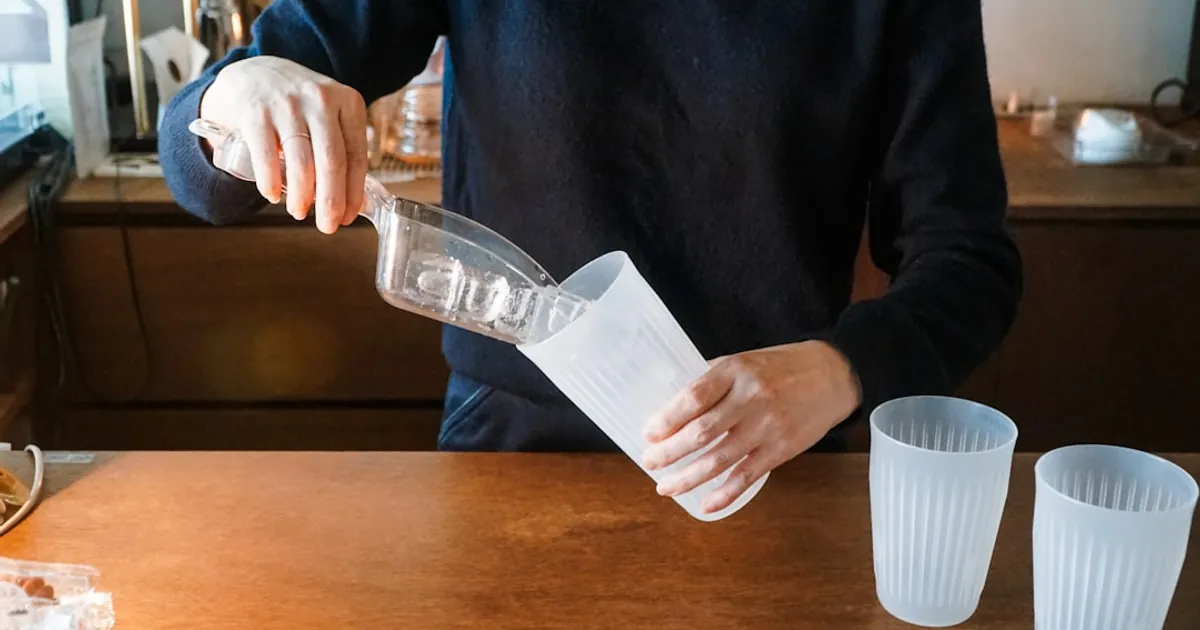
The conversion factor for gallons to liters is 1 gallon = 3.785 liters. This conversion factor can be used to convert any value from gallons to liters by multiplying the value by the conversion factor.
How do I convert 5 gallons to liters?
To convert 5 gallons to liters, you can use the conversion factor: 5 x 3.785 = 18.925 liters.
What are the practical applications of converting gallons to liters?
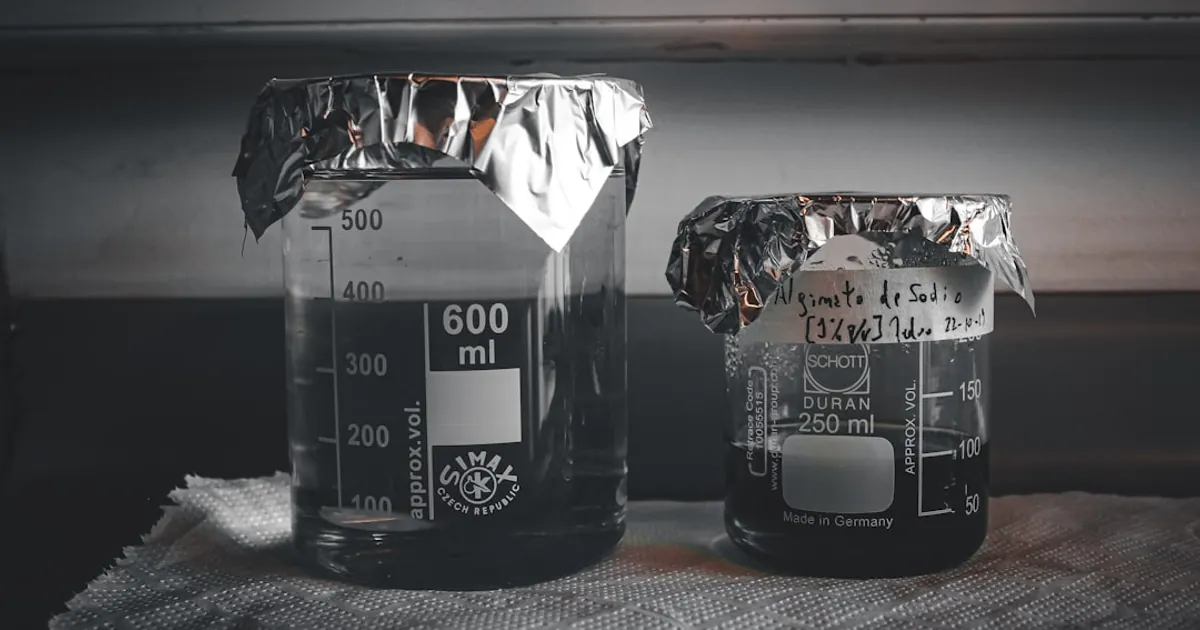
Practical applications of converting gallons to liters include cooking, science, and engineering. Additionally, understanding how to convert gallons to liters can help you work more effectively in various contexts, from everyday applications to professional settings.
What tools and resources are available to help me convert gallons to liters?
There are numerous tools and resources available to help you convert gallons to liters, including online conversion tools, calculators, and software. Additionally, you can use mobile apps or spreadsheets to convert gallons to liters.
Why is it important to understand how to convert gallons to liters?
Understanding how to convert gallons to liters is essential for working efficiently and effectively in various contexts, from everyday applications to professional settings. By mastering this conversion, you’ll be able to save time and effort in the long run and work more accurately with different units of measurement.
As we conclude our journey through the world of converting gallons to liters, remember that mastering this conversion is a vital skill that can benefit you in various aspects of your life. Whether you’re a student, a professional, or simply a curious individual, understanding how to convert gallons to liters can help you work more efficiently and effectively. So, take the first step today and start exploring the world of unit conversions. With practice and patience, you’ll become a master of converting gallons to liters in no time. For more information on unit conversions, visit NASA or Khan Academy.