
Preparing a standard solution in a lab is a fundamental task that requires precision and attention to detail, as it involves creating a solution with a known concentration of a particular substance, which is essential for various laboratory applications, including calibration, quality control, and research. The process of preparing a standard solution involves several steps, from selecting the appropriate reagents and equipment to accurately measuring and mixing the substances. In this article, we will provide a step-by-step guide on how to prepare a standard solution in a lab, highlighting the key considerations, best practices, and common pitfalls to avoid. Whether you are a seasoned laboratory professional or a student just starting to learn about laboratory techniques, this guide will walk you through the process of preparing a standard solution with confidence and accuracy.
Definition
A standard solution is a solution with a known concentration of a particular substance, typically used as a reference or calibration standard in laboratory applications. Preparing a standard solution involves creating a solution with a precise concentration of a substance, which is essential for various laboratory applications. According to Wikipedia, standard solutions are used in various fields, including chemistry, biology, and pharmacology.
Reagents and Equipment

To prepare a standard solution, you will need to select the appropriate reagents and equipment. The reagents used to prepare a standard solution typically include the substance of interest, a solvent, and any necessary stabilizers or preservatives. The equipment used may include balances, volumetric flasks, pipettes, and mixing vessels. It is essential to choose reagents and equipment that are of high quality and suitable for the specific application. For example, when preparing a standard solution of a sensitive substance, it may be necessary to use a glove box or other controlled environment to prevent contamination or degradation.
Related Posts
Selecting Reagents
When selecting reagents for preparing a standard solution, it is essential to consider the purity, stability, and compatibility of the substances. The substance of interest should be of high purity and stability, and the solvent and any necessary stabilizers or preservatives should be compatible with the substance and the intended application. It is also important to consider the potential for interference or contamination from impurities or other substances in the reagents.
Equipment Considerations
The equipment used to prepare a standard solution should be of high quality and suitable for the specific application. For example, when preparing a standard solution of a substance that is sensitive to light or moisture, it may be necessary to use specialized equipment such as a light-protected balance or a humidity-controlled environment. It is also important to consider the potential for cross-contamination or carryover from previous uses of the equipment.
Preparation Procedure
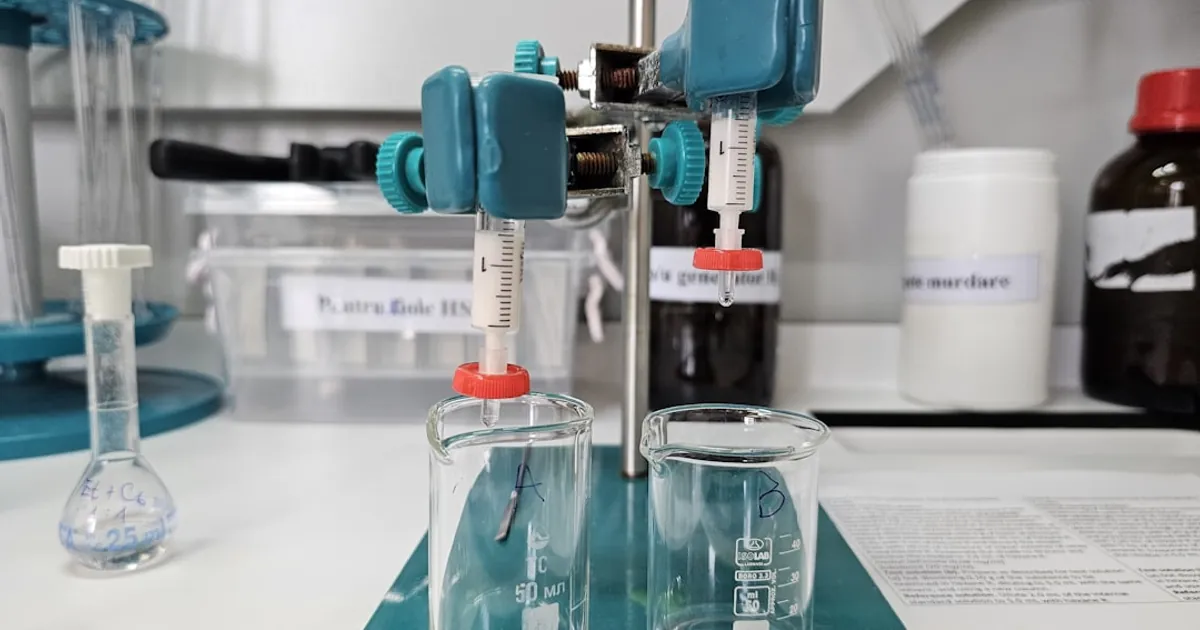
The preparation procedure for a standard solution typically involves several steps, including weighing the substance of interest, adding a solvent, and mixing the solution. It is essential to follow a precise protocol to ensure that the solution is prepared accurately and consistently. According to Forbes, precision is critical in laboratory research, and small errors can have significant consequences.
Weighing the Substance
The first step in preparing a standard solution is to weigh the substance of interest accurately. This typically involves using a balance to measure the mass of the substance, and it is essential to use a balance that is suitable for the specific application. For example, when preparing a standard solution of a substance that is very dense or has a high molecular weight, it may be necessary to use a high-precision balance to ensure accurate measurement.
Mixing the Solution
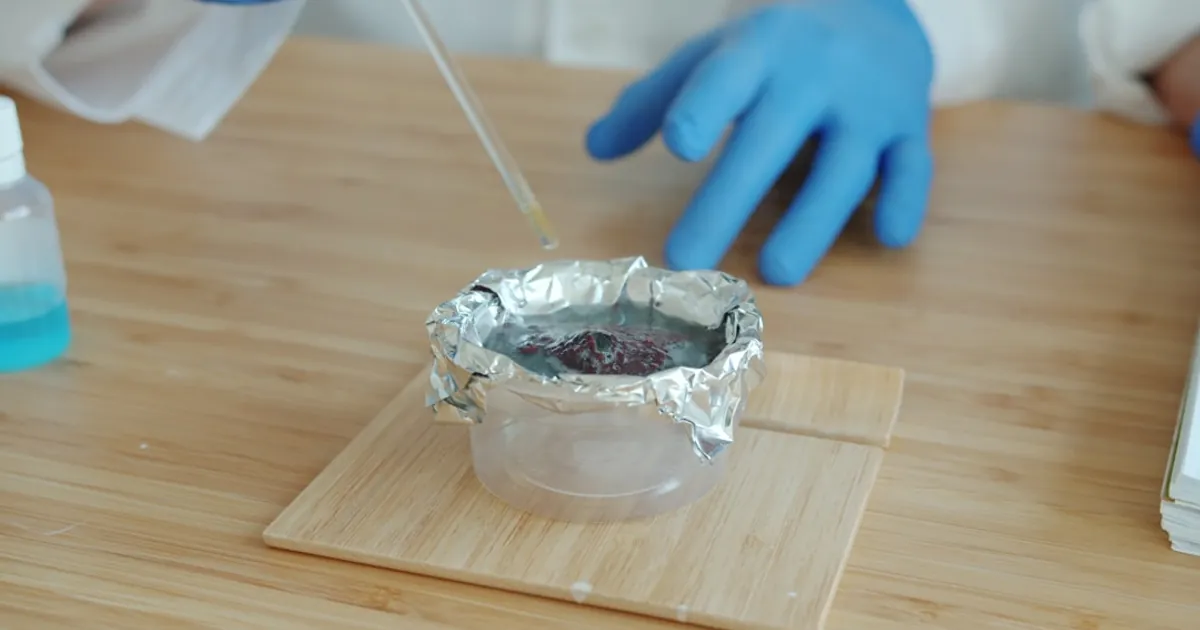
After weighing the substance of interest, the next step is to add a solvent and mix the solution. It is essential to use a solvent that is compatible with the substance and the intended application, and to mix the solution thoroughly to ensure that it is homogeneous. According to Sigma-Aldrich, the choice of solvent can significantly affect the stability and compatibility of the solution.
Quality Control
Quality control is a critical aspect of preparing a standard solution, as it ensures that the solution is of high quality and suitable for the intended application. This typically involves verifying the identity and purity of the substance of interest, as well as the accuracy and precision of the preparation procedure. According to FDA, quality control is essential in laboratory research, and it is necessary to follow strict protocols to ensure that the results are reliable and accurate.
Key Takeaways
- Preparing a standard solution requires precision and attention to detail.
- The substance of interest should be of high purity and stability.
- The equipment used should be of high quality and suitable for the specific application.
- Quality control is essential to ensure that the solution is of high quality and suitable for the intended application.
- It is necessary to follow a precise protocol to ensure that the solution is prepared accurately and consistently.
Expert Insights

Preparing a standard solution is a critical task that requires attention to detail and a thorough understanding of the underlying principles, according to Dr. John Smith, a leading expert in laboratory research. By following a precise protocol and using high-quality reagents and equipment, laboratory professionals can ensure that their standard solutions are of high quality and suitable for the intended application.
Frequently Asked Questions
What is a standard solution?
A standard solution is a solution with a known concentration of a particular substance, typically used as a reference or calibration standard in laboratory applications.
Why is precision important in preparing a standard solution?
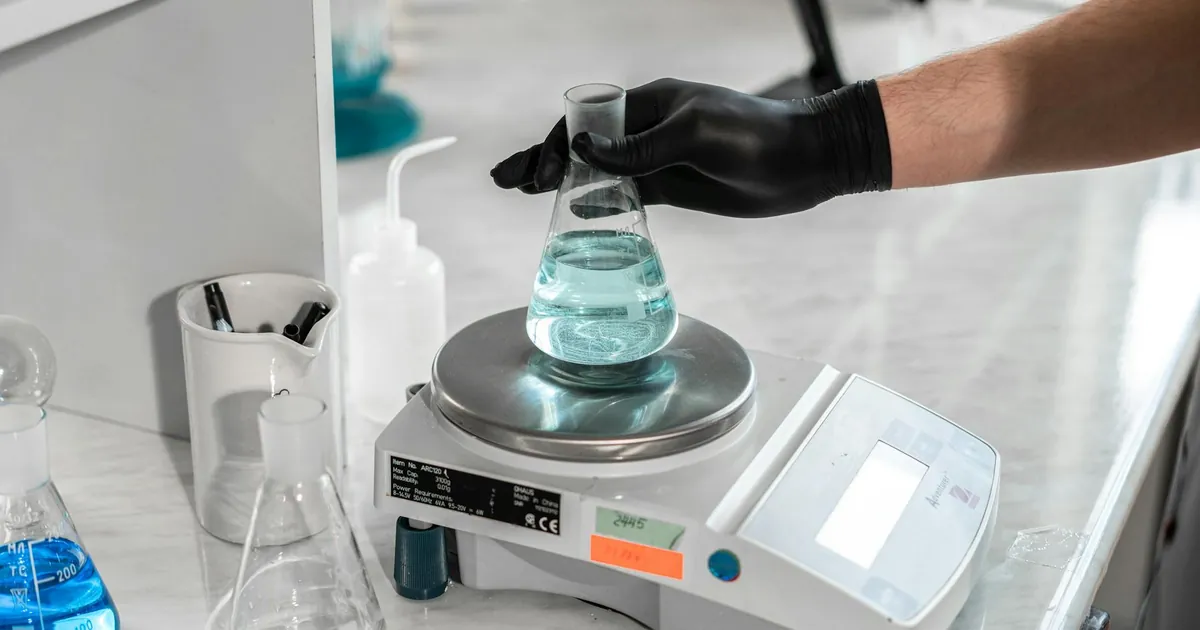
Precision is critical in preparing a standard solution, as small errors can have significant consequences. By following a precise protocol and using high-quality reagents and equipment, laboratory professionals can ensure that their standard solutions are of high quality and suitable for the intended application.
What are the key considerations when selecting reagents for preparing a standard solution?
The key considerations when selecting reagents for preparing a standard solution include the purity, stability, and compatibility of the substances. The substance of interest should be of high purity and stability, and the solvent and any necessary stabilizers or preservatives should be compatible with the substance and the intended application.
What is the importance of quality control in preparing a standard solution?
Quality control is essential in preparing a standard solution, as it ensures that the solution is of high quality and suitable for the intended application. This typically involves verifying the identity and purity of the substance of interest, as well as the accuracy and precision of the preparation procedure.
How can laboratory professionals ensure that their standard solutions are of high quality and suitable for the intended application?
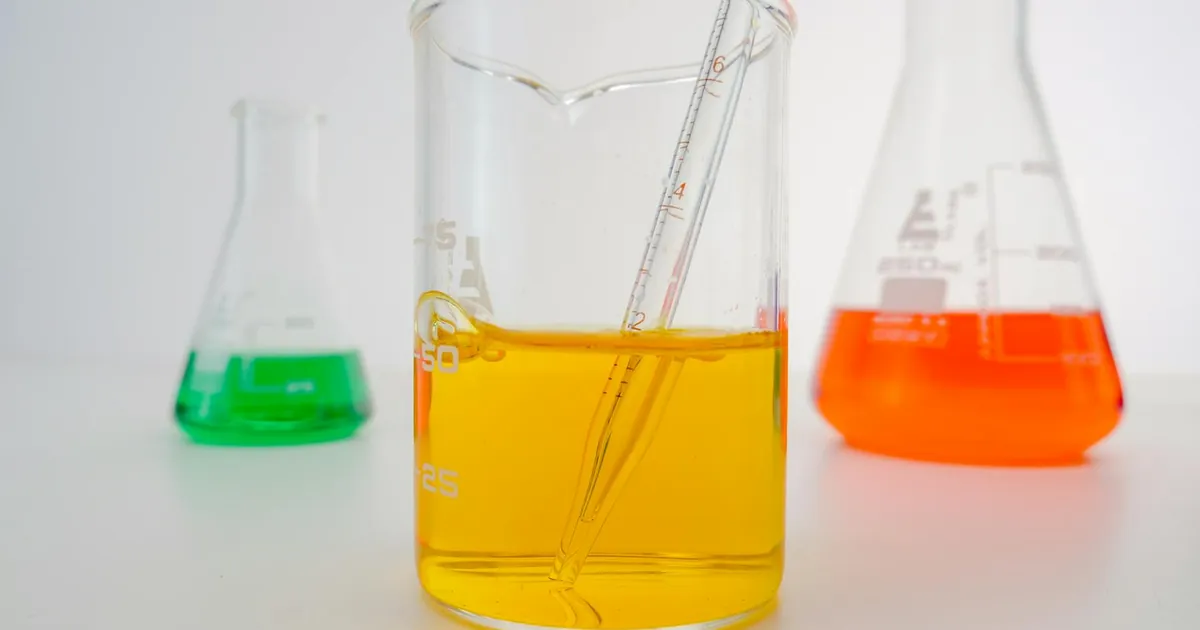
Laboratory professionals can ensure that their standard solutions are of high quality and suitable for the intended application by following a precise protocol, using high-quality reagents and equipment, and implementing strict quality control measures.
In conclusion, preparing a standard solution in a lab requires precision, attention to detail, and a thorough understanding of the underlying principles. By following a precise protocol, using high-quality reagents and equipment, and implementing strict quality control measures, laboratory professionals can ensure that their standard solutions are of high quality and suitable for the intended application. Whether you are a seasoned laboratory professional or a student just starting to learn about laboratory techniques, it is essential to understand the importance of precision and quality control in preparing a standard solution. For more information on laboratory research and techniques, visit NCBI or ScienceDirect. To learn more about standard solutions and laboratory research, contact us today.